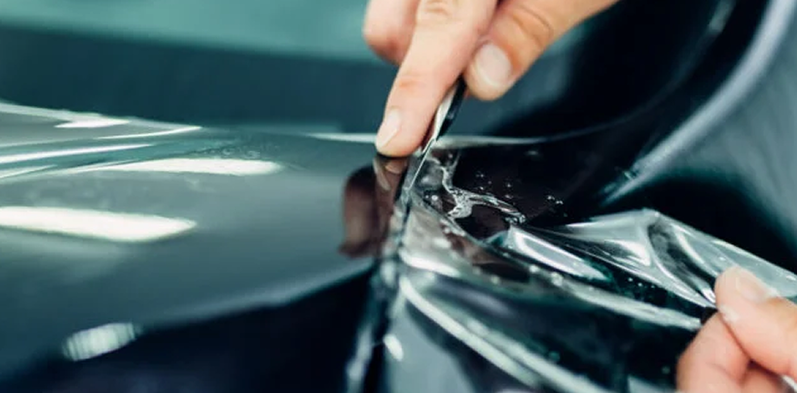
Window tint percentages refer to Visible Light Transmission (VLT), which measures how much visible light passes through a vehicle’s window film and glass. The lower the percentage, the darker the tint.
For example, 5% VLT allows very little visible light through, while 70% VLT provides a much lighter appearance. When choosing car window tint in Spokane, understanding VLT helps drivers balance privacy, visibility, comfort, and compliance with Washington State regulations.
Which Window Tint percentage is best?
The best window tint percentage depends on your priorities, including privacy, visibility, heat reduction, and local tint laws. Lighter window tint percentages generally offer greater visibility, while darker films provide more privacy and glare reduction.
70% Tint
Allows a high amount of visible light through the window. The appearance is subtle while still allowing drivers to benefit from quality window film.
50% Tint
Provides a lightly tinted appearance while maintaining high visibility.
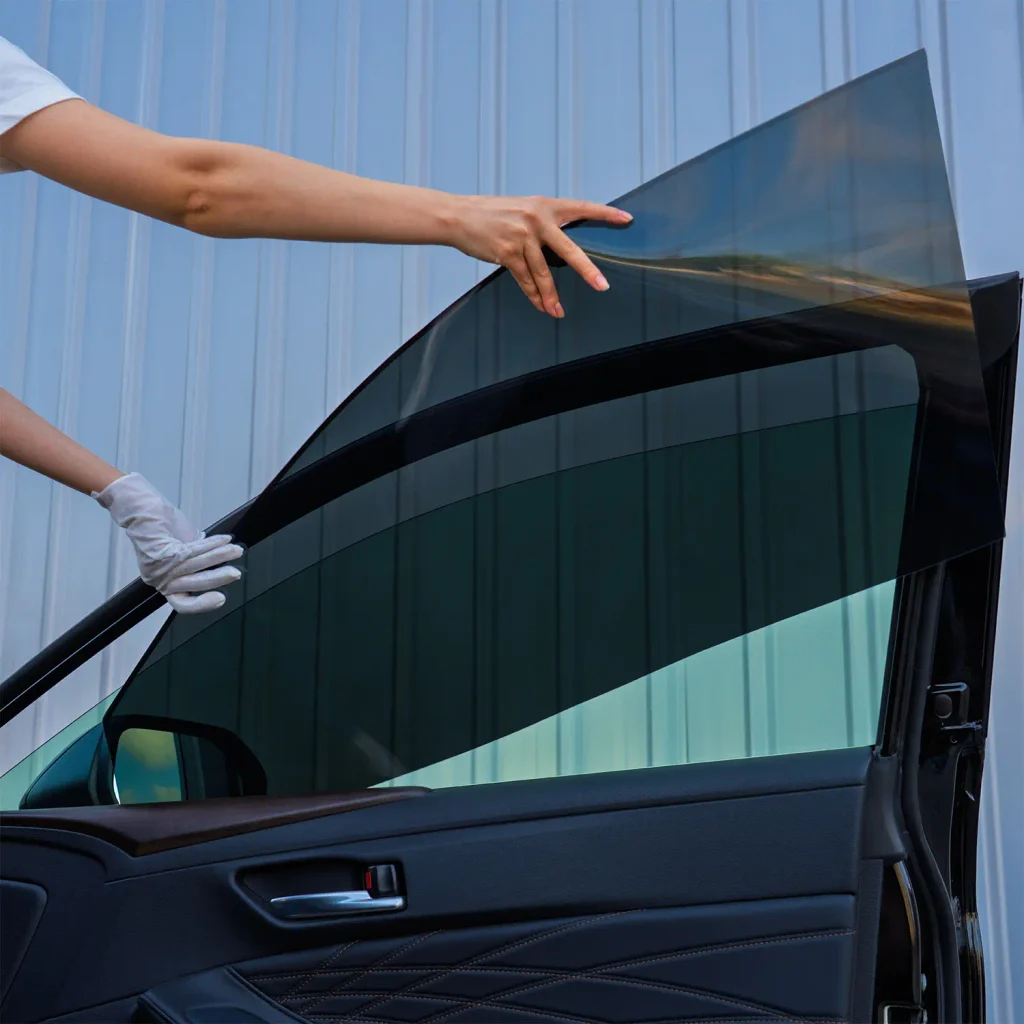
35% Tint
Offers a noticeable tinted appearance with a balance between visibility, privacy, and style.
20% Tint
Creates a significantly darker appearance and provides increased privacy.
5% Tint
Often referred to as “limo tint.” It allows very little visible light through and creates a very dark appearance.
For drivers considering automotive window tinting in Spokane, ceramic window tint can provide effective heat rejection without requiring an extremely dark appearance. A professional installer can help you select a film that matches your preferences and complies with Washington State regulations.
What are the benefits of window tint?
Window tinting helps reduce solar heat, glare, and ultraviolet (UV) exposure while improving privacy and driving comfort. High-quality automotive window films can also help protect interior surfaces from sun-related fading and deterioration.
For drivers looking for window tinting in Spokane, WA, professionally installed film can make everyday driving more comfortable during sunny conditions. Advanced options, such as ceramic window tint, can offer strong heat rejection while maintaining a clear view through the glass.
Ceramic window tint vs. Regular window tint
Ceramic window tint uses advanced ceramic-based technology to help reject solar heat and ultraviolet radiation, while basic dyed window tint primarily reduces visible light and glare. Both options can improve privacy and appearance, but their performance characteristics differ.
Ceramic window tint typically provides better infrared heat rejection and color stability than basic dyed films. For customers comparing ceramic window tint in Spokane with traditional automotive tint, the best choice depends on desired performance, appearance, and budget.
What window tint percentage is legal in Washington State?
Washington State generally requires a minimum of 24% Visible Light Transmission (VLT) for aftermarket window tint on passenger vehicles. This means the combined window glass and film must allow at least 24% of visible light to pass through.
Certain vehicles, including qualifying SUVs, trucks, and multipurpose passenger vehicles, may have darker tint on windows behind the driver. Windshield tinting is subject to separate restrictions, and medical exemptions may apply.
For drivers considering car window tinting in Spokane, WA, choosing a compliant tint percentage is essential for maintaining visibility and meeting state regulations. Petty Wraps can help customers understand their options based on vehicle type and desired coverage